
Your Solution for Building
Learned Leaders

Coaching for Professionals
Sarah works with individuals who want to deepen their performance and their leadership effectiveness. Coaching is particularly valuable for leaders who are:
- Transitioning into new roles
- Navigating complex interpersonal dynamics
- Facing high-stakes decisions
- Seeking greater clarity and confidence
Engagements are tailored, focused, and results-oriented.
Law Firm Workshops
Leadership in law firms presents a unique challenge: high autonomy and high expectations, but limited formal leadership training. These workshops are designed to bridge that gap.

How Do You Lead?
An Exploration of Style
Authentic leadership is powerful leadership. In this workshop, participants examine how their values, patterns, preferences, and assumptions shape their leadership style. Through targeted frameworks, leaders gain insight into how their approach is experienced by others, where it builds trust, and where it may create unintended friction. With this awareness, participants are better equipped to adapt their style, strengthen relationships, and lead with greater intention.

Building Trust in Your Leadership
Trust is not built through mere intention. This session examines the specific behaviors that strengthen or erode trust in professional environments. Participants explore how credibility, reliability, and relational awareness shape their leadership presence, and leave with a clear plan to build trust intentionally in high-performance, high-expectation settings.

What’s Stopping You?
Taming Your Personal Saboteurs
Even capable leaders can have internal patterns that hold them back.
This workshop identifies the thought habits and default reactions that surface under pressure. Participants learn how these “saboteurs” show up in leadership moments, from avoiding difficult conversations to over-controlling to second-guessing decisions. With practical tools, participants learn how to interrupt these patterns and respond in ways that are more aligned with the leaders they intend to be.

Constructive Team Conflict
Conflict avoidance weakens teams. When handled well, conflict sharpens thinking, strengthens trust, and improves decision-making. This workshop reframes conflict as a necessary leadership tool and focuses on how to engage in productive disagreement, foster psychological safety, and move teams toward better outcomes.

Delegation, Supervision, and Feedback
Delegation is not just a workflow issue; it’s a leadership skill that directly shapes performance, development, and retention.
This workshop reframes delegation as a system of leadership behaviors: setting clear expectations, transferring ownership effectively, and maintaining accountability without over-involvement. Participants examine where delegation breaks down—unclear instructions, inconsistent follow-up, or feedback that comes too late to be useful.
The workshop models a structured approach to delegation and supervision that reduces rework, strengthens associate development, and improves overall team performance. The session also focuses on delivering feedback that is direct, timely, actionable, and designed to lead to measurable improvement.
Participants leave with tools they can apply immediately to improve both the quality of work and the development of the people they lead.

You're Already Leading
Leadership in a law firm doesn’t begin when you make partner. It begins the moment others rely on your work, your judgment, and your communication.
This program is designed for attorneys in their first six years of practice, helping them recognize that they are already leading and giving them the skills to do it well.
Years 1–3: Building the Foundation
Early-career attorneys are already influencing outcomes—through responsiveness, communication, ownership of assignments, and how they engage with senior lawyers and staff. This session focuses on the fundamentals: how to manage work effectively, communicate with clarity, take initiative, and build trust from day one. Participants leave with a clearer understanding of how they are perceived and how to strengthen their professional presence early in their careers.
Years 4–6: Leading Through Others
As attorneys become more experienced, expectations shift. They are asked to guide junior associates, manage pieces of matters, and contribute more directly to client relationships. This session focuses on the transition from individual contributor to leader: delegating effectively, giving feedback, supervising work, and leading laterally and downward without formal authority. Participants develop the skills to expand their impact.

Three Pillars of Effective Presentations (And It's Not About the Slides)
Effective presentations are built with intention. Participants learn a framework for organizing content, delivering with confidence, and keeping an audience engaged. The focus is on practical techniques that improve clarity, presence, and impact with any audience.

The Neuroscience of Civility and Psychological Safety: Internal
Workplace behavior has measurable effects on focus, decision-making, and performance. Tolerating dysfunction is costly to the workplace culture and the bottom line.
This workshop introduces the neuroscience behind how people respond to stress, tone, and interpersonal dynamics. Participants gain insight into how small behaviors can either elevate or undermine team effectiveness, and learn practical ways to foster a more respectful, productive, and psychologically safe environment.

The Neuroscience of Civility: External
Civility isn’t just about “being nice” – it’s an expectation.
This workshop explores the neuroscience behind incivility and provides scientifically-supported tools to promote respectful interactions between opposing counsel. When sponsored by a CLE provider, this workshop can fulfill an hour of Civility CLE requirements in New York and California.
Health Care Leader and Medical Staff Leader Workshops
Healthcare organizations depend on administrators and physician leaders who lead in complex, high-stakes environments—sometimes, without formal leadership training. The Learned Leaders programs accelerate that transition, helping administrators, physician leaders, and medical staff professionals move from “doer” to “leader” with clarity and confidence.
How Do You Lead?
An Exploration of Style
Authentic leadership is powerful leadership. In this workshop, participants examine how their values, patterns, preferences, and assumptions shape their leadership style. Through targeted frameworks, leaders gain insight into how their approach is experienced by others, where it builds trust, and where it may create unintended friction. With this awareness, participants are better equipped to adapt their style, strengthen relationships, and lead with greater intention.
Building Trust in Your Leadership
Trust is not built through mere intention. This session examines the specific behaviors that strengthen or erode trust in professional environments. Participants explore how credibility, reliability, and relational awareness shape their leadership presence, and leave with a clear plan to build trust intentionally in high-performance, high-expectation settings.
What's Stopping You?
Taming Your Personal Saboteurs
Even capable leaders can have internal patterns that hold them back.
This workshop identifies the thought habits and default reactions that surface under pressure. Paricipants learn how these “saboteurs” show up in leadership moments, from avoiding difficult conversations to over-controlling to second-guessing decisions. With practical tools, participants learn how to interrupt these patterns and respond in ways that are more aligned with the leaders they intend to be.

Talk Like a Leader: Furthering Your Mission with Leadership Communication
Effective leadership communication drives alignment— and ineffective communication creates friction. In healthcare environments, the stakes are high: miscommunication can delay decisions, escalate conflict, and increase risk. This session focuses on communication strategies that reduce misunderstanding, support effective decision-making, and keep teams aligned around the organization’s mission.
Learning How to Team Together
High-functioning teams don’t happen by accident. In this interactive session, participants explore how differences in personality, communication style, and priorities impact team dynamics. Through a structured exercise, leadership team members learn how to leverage those differences to improve collaboration, strengthen decision-making, and move work forward more effectively.
Constructive Team Conflict
Conflict avoidance weakens teams. When handled well, conflict sharpens thinking, strengthens trust, and improves decision-making. This workshop reframes conflict as a necessary leadership tool and focuses on how to engage in productive disagreement, foster psychological safety, and move teams toward better outcomes.
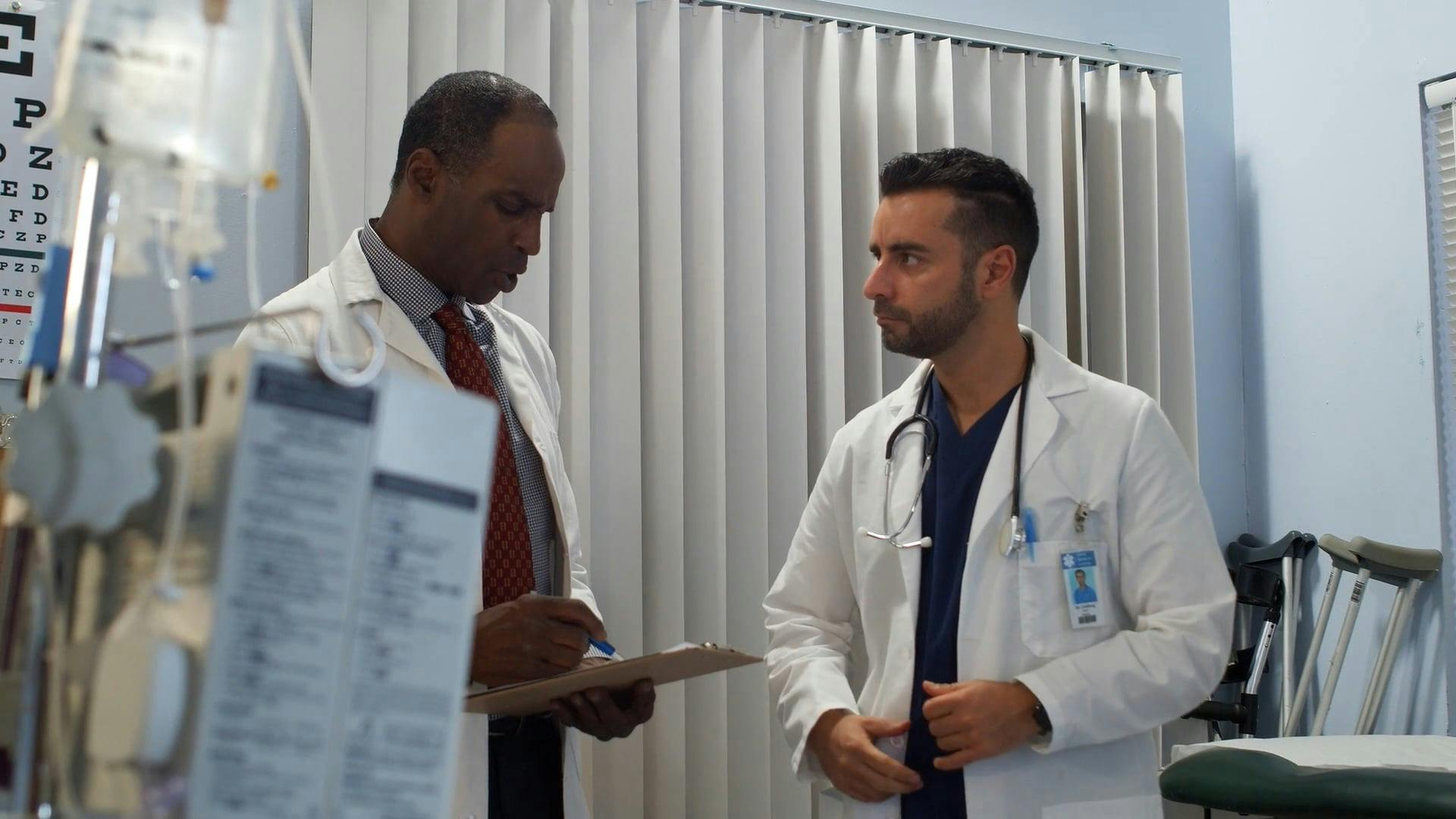
When It’s Your Peers, It’s Different: Mastering Challenging Conversations
Peer-to-peer leadership requires a different skill set. This interactive session begins by examining common habits and barriers that derail effective communication on sensitive topics. Participants develop the ability to address sensitive issues directly, manage conflict constructively, and maintain trust and collegiality. Medical staff scenarios include conversations related to quality of care and fitness for duty.

Medical Staff Leadership Team: Who You Are, What You Do, and Why It Matters
This workshop moves beyond Medical Executive Committee basics to help medical staff leaders understand their role in a purpose-driven leadership team. By the end of the conversation, members will be able to identify the MEC's mission; understand key stakeholders and their expectations; and leverage resources to drive meaningful impact on quality of care, organizational goals, and member support.

The Team in Action: Setting the MEC’s 12-Month Priorities
Medical Executive Committees are meant to lead, not just react. In this facilitated working session, members identify and align on their most critical priorities for the year ahead. The session results in clearly defined, actionable initiatives that can be advanced efficiently through upcoming MEC meetings.

Turning the Medical Staff Organization into a Medical Staff Community
A thriving medical staff is more than an organization — it's a community. This workshop focuses on the conditions that create belonging, engagement, and shared purpose. Participants translate these concepts into practical steps to strengthen connection and build a more cohesive medical staff community.

Custom Workshops
Sarah works with organizations to build workshops that meet their needs.